
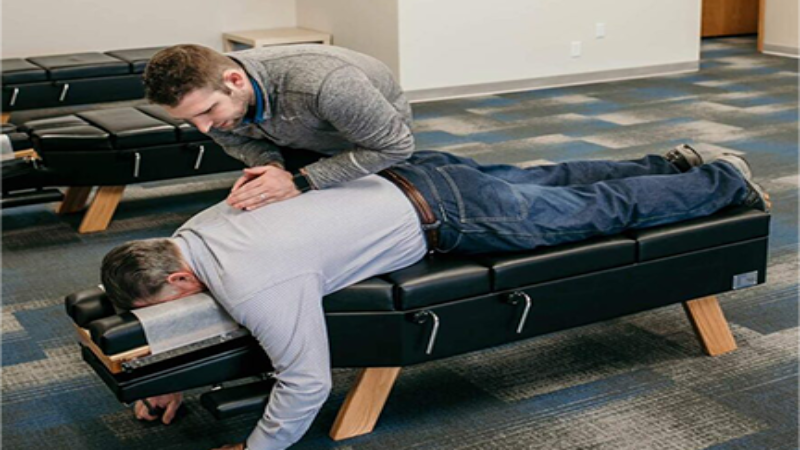
Bulging and herniated discs are two of the most common spinal conditions linked to lower back pain and leg symptoms. While they are often grouped together, the way each condition affects the spine—and how patients respond to care—can be very different. Understanding those differences is especially important when exploring Spinal Decompression in Apple Valley, MN as part of a broader chiropractic care plan.
What is the difference between a bulging disc and a herniated disc?
Both conditions involve the intervertebral discs, which act as shock absorbers between spinal bones. The difference lies in the degree and pattern of disc displacement.
A bulging disc occurs when the disc extends beyond its normal boundary but the outer layer remains intact. The bulge is usually broad and even, often developing gradually from repetitive stress, posture strain, or age-related changes. Symptoms may be mild or intermittent, and some people experience discomfort only during specific activities.
A herniated disc, sometimes called a ruptured or slipped disc, happens when the outer layer of the disc tears and the inner material protrudes outward. This protrusion can irritate nearby nerves more directly, which is why herniated discs are more commonly associated with sharp pain, numbness, tingling, or weakness that travels into the arms or legs.
Why disc type matters when considering spinal decompression
Spinal decompression is a non-surgical approach designed to reduce pressure within the spine using controlled traction forces. By gently unloading affected segments, decompression may help reduce mechanical stress and nerve irritation in certain cases.
The disc type matters because bulging and herniated discs respond differently to unloading forces. Not every disc condition is an ideal candidate, and outcomes depend heavily on the patient’s overall presentation rather than the diagnosis alone.
Which bulging disc patients often respond well to decompression?
Patients with bulging discs may respond favorably to spinal decompression when their symptoms are primarily mechanical in nature. This often includes individuals who:
-
Experience back or leg pain that worsens with prolonged sitting or bending
-
Have stiffness and discomfort without progressive neurological loss
-
Notice that symptoms fluctuate based on posture or daily activity
-
Have imaging or exam findings showing broad-based disc bulging rather than focal rupture
In these cases, decompression may help by temporarily reducing compressive forces on irritated tissues. When paired with appropriate chiropractic care, movement guidance, and gradual strengthening, some patients report improved mobility and better symptom control over time.
Which herniated disc patients tend to respond best?
Herniated discs can also respond to spinal decompression, but patient selection is especially important. Those who often see benefit share certain characteristics:
-
Leg or arm pain that follows a clear nerve distribution
-
Symptoms that worsen with compression-based movements
-
No signs of severe or rapidly worsening neurological deficits
-
A disc herniation that is contained or partially contained
For these patients, decompression may help reduce pressure near the affected nerve root, allowing inflammation to calm and function to improve. Chiropractic providers typically monitor symptom patterns closely to ensure care remains appropriate and responsive.
When spinal decompression may not be the best fit
Not every disc condition is suited for decompression. Patients may need alternative strategies or referral-based care when they present with:
-
Progressive weakness or loss of bowel or bladder control
-
Severe spinal instability
-
Certain post-surgical spinal changes
-
Pain patterns that do not correlate with disc involvement
This is why comprehensive evaluation is essential before starting any form of decompression-based care.
How chiropractic services support disc-related recovery
Spinal decompression is rarely used in isolation. Within comprehensive Chiropractic Services in Apple Valley, decompression is often integrated with supportive care strategies that focus on function and long-term spine health.
These may include joint-specific adjustments, mobility work, posture correction strategies, and education around safe movement. The goal is not simply symptom relief, but improved tolerance for everyday activities like sitting, walking, lifting, and sleeping.
Clinics such as East Valley Chiropractic emphasize structured assessments and progress tracking, using patient-reported changes in pain patterns and functional ability to guide care decisions. When appropriate, they coordinate decompression with other conservative approaches rather than positioning it as a stand-alone solution.
What patients should expect during the first few weeks of care
Patients starting decompression-focused care typically notice changes gradually. Early shifts often include reduced symptom frequency, improved movement confidence, or better understanding of activity triggers. Significant improvement, when it occurs, tends to build over weeks rather than days.
Clear communication and realistic expectations play a key role in determining whether decompression remains part of the plan or needs adjustment.
Making informed decisions about spinal decompression
Understanding the difference between bulging and herniated discs empowers patients to ask better questions and choose care options more wisely. While spinal decompression may be helpful for certain individuals, it is most effective when guided by thorough evaluation and combined with broader chiropractic strategies.
For individuals seeking evidence-informed perspectives on disc-related back pain, working with a trusted chiropractic partner such as East Valley Chiropractic can help ensure care decisions are aligned with both clinical findings and functional goals.