
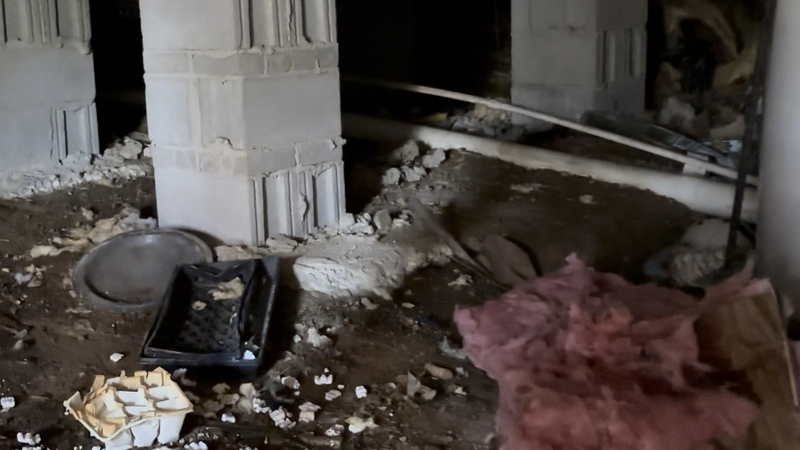
Mold in crawl spaces is a common concern for homeowners throughout Arkansas. The region’s humid climate and seasonal rainfall can create the perfect environment for mold growth beneath your home, often remaining unnoticed until it becomes a serious problem. If you’ve been searching for “How To Get Rid Of Mold In My Crawl Space Arkansas,” you’re likely seeking effective solutions to protect your home’s air quality and structural integrity. Mold in crawl spaces can not only cause unpleasant odors but also lead to respiratory issues and even compromise the foundation of your house. For a comprehensive guide on moisture prevention and mold remediation, visit How To Get Rid Of Mold In My Crawl Space Arkansas .
Why Mold Grows in Arkansas Crawl Spaces
Understanding the root causes of mold growth is the first step to effective removal. Arkansas’s warm temperatures, high humidity, and frequent rain can lead to excess moisture accumulating in crawl spaces. Poor ventilation, leaking pipes, or inadequate vapor barriers can further contribute to an environment where mold thrives. Mold spores are present everywhere, but they need moisture to grow, making crawl spaces especially vulnerable.
Signs of Mold in Your Crawl Space
Recognizing the early signs of mold is crucial for timely intervention. Keep an eye out for:
• A musty or earthy smell coming from your floors or vents
• Visible black, green, or white patches on wood, insulation, or concrete
• Increased allergy symptoms or respiratory issues among household members
• Warped flooring or wood rot above the crawl space
Regular inspections can help you catch mold issues before they escalate.
Steps to Get Rid of Mold in Your Crawl Space
Eliminating mold requires a combination of cleaning, moisture control, and preventative measures. Here’s how to tackle the problem effectively:
1. Assess the Extent of the Problem Begin by inspecting the crawl space with proper protective gear. Determine whether the mold covers a small area or if it has spread extensively.
2. Eliminate the Source of Moisture Address any leaks, standing water, or drainage issues. Install or repair vapor barriers to prevent ground moisture from seeping in. Ensure downspouts and gutters direct water away from the foundation.
3. Remove Contaminated Materials Any insulation, wood, or debris infested with mold should be carefully removed and disposed of. Use heavy-duty trash bags and avoid spreading spores to other areas.
4. Clean and Disinfect Surfaces Scrub affected surfaces with a mold-specific cleaner or a mixture of water and detergent. For stubborn mold, a diluted bleach solution may be used, but always follow safety guidelines and ventilate the area thoroughly.
5. Dry the Crawl Space Thoroughly Use fans and dehumidifiers to dry out the area completely. Mold will return if moisture persists.
6. Improve Ventilation and Prevent Future Growth Consider installing crawl space vents, a vapor barrier, or even a dehumidifier to maintain dry conditions. Regularly inspect for leaks and monitor humidity levels.
Maintaining a Mold-Free Crawl Space
Ongoing maintenance is key to keeping your crawl space mold-free in Arkansas’s challenging climate. Schedule annual inspections, repair leaks promptly, and keep humidity in check. By staying proactive, you protect both your home’s structure and your family’s health.
In summary, addressing mold in your crawl space involves identifying moisture sources, removing mold safely, and implementing long-term prevention strategies. With the right approach, you can ensure a healthier, safer home environment for your household.