
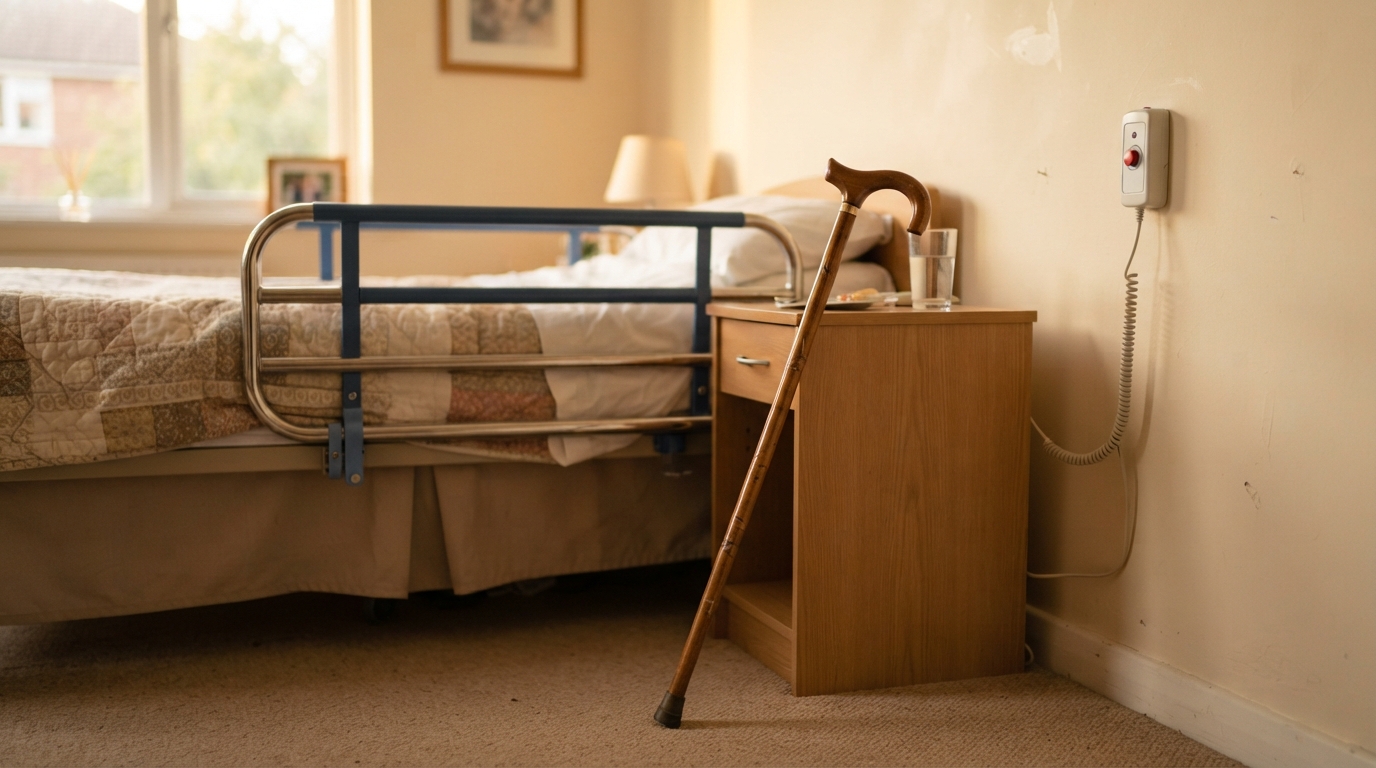
• A resident who falls in a nursing home may have legal grounds for a claim if inadequate staffing, poor supervision, or unsafe conditions contributed to the injury.
• New York Public Health Law gives nursing home residents specific rights, and violations can support a negligence claim separate from general injury law.
• Documentation, medical records, and facility incident reports are central to building a case after a fall.
Falls among nursing home residents are rarely random accidents. They often trace back to staffing shortages, unaddressed mobility risks, or facility conditions that go against basic care standards, and families who understand this distinction are better positioned to pursue accountability.
When a fall results in a fracture, head injury, or worsening of an existing condition, consulting a Nursing Home Fall Lawyer can help determine whether the facility failed to meet its duty of care. Falls remain a widespread concern among older adults nationally: according to the National Safety Council, more than one in four older adults reports a fall each year, and 43,020 older adults died from preventable falls in 2024. Within a care facility setting, a fall often signals a gap in supervision, not simple misfortune.
Why Nursing Home Falls Often Point to Negligence
Facilities are required to assess each resident’s fall risk and put safeguards in place accordingly. When those steps are skipped or poorly executed, the resulting injury may qualify as negligence rather than an unavoidable accident.
Common contributing factors include:
• Inadequate staffing ratios that delay response to resident needs
• Failure to use prescribed mobility aids, bed alarms, or transfer equipment
• Wet floors, poor lighting, or cluttered walkways
• Missed fall-risk assessments or outdated care plans
• Medication side effects, such as dizziness, that were not monitored
Facilities operating in New York are subject to oversight under state and federal nursing home regulations, and the CDC’s STEADI initiative outlines clinical fall-prevention strategies that many care settings are expected to incorporate into resident care planning.
Legal Protections for Nursing Home Residents in New York
New York Public Health Law 2801-d provides residents of nursing homes with specific statutory rights, including the right to adequate supervision and a safe living environment. A violation of these protected rights can support a claim even when the facility argues the fall was accidental.
|
Claim Type |
What It Covers |
Key Evidence Needed |
|
Ordinary negligence |
Failure to use reasonable care |
Incident reports, witness statements |
|
Public Health Law 2801-d violation |
Breach of a resident’s statutory rights |
Care plans, staffing records |
|
Medical malpractice |
Negligent medical treatment after the fall |
Medical charts, physician testimony |
Each pathway requires different evidence, and the applicable claim often depends on whether the fall stemmed from a staffing failure, an equipment issue, or a breakdown in medical monitoring.
Steps to Take After a Fall in a Care Facility
Acting promptly preserves evidence that facilities sometimes fail to retain for long. Families in Nassau County dealing with a recent fall should consider the following:
1. Request a copy of the incident report filed by the facility.
2. Obtain the resident’s full medical records, including fall-risk assessments.
3. Photograph visible injuries and the location where the fall occurred.
4. Note staffing levels and any delays in response at the time of the incident.
5. Speak with other residents or staff who may have witnessed the fall.
These records form the foundation of most nursing home fall claims, particularly when a facility disputes how the incident happened.
Business Info
Based in Garden City, NY, services connected to nursing home fall claims are available to residents throughout Nassau County, where many families seek guidance after a loved one is injured in a care facility. Cheung & Lauterborn, P.C. represents clients in matters involving nursing home negligence and related personal injury claims.
Frequently Asked Questions
Does every nursing home fall qualify as negligence? Not every fall results from negligence, but a pattern of inadequate supervision, ignored fall-risk assessments, or unsafe conditions can support a claim.
What records are most useful after a fall? Incident reports, nursing notes, fall-risk assessments, and medication records typically carry the most weight in evaluating a claim.
How long do families have to act after a fall? Deadlines vary by claim type and New York statute of limitations rules, so reviewing the timeline with a legal professional soon after the incident is advisable.
Can a claim proceed if the resident has since passed away? Wrongful death and survival claims may be available depending on the circumstances, though the applicable process differs from a standard injury claim.
Next Steps for Families Seeking Guidance
Additional information about nursing home negligence claims, including case evaluation details for families in the service area, is available through Cheung & Lauterborn, P.C..