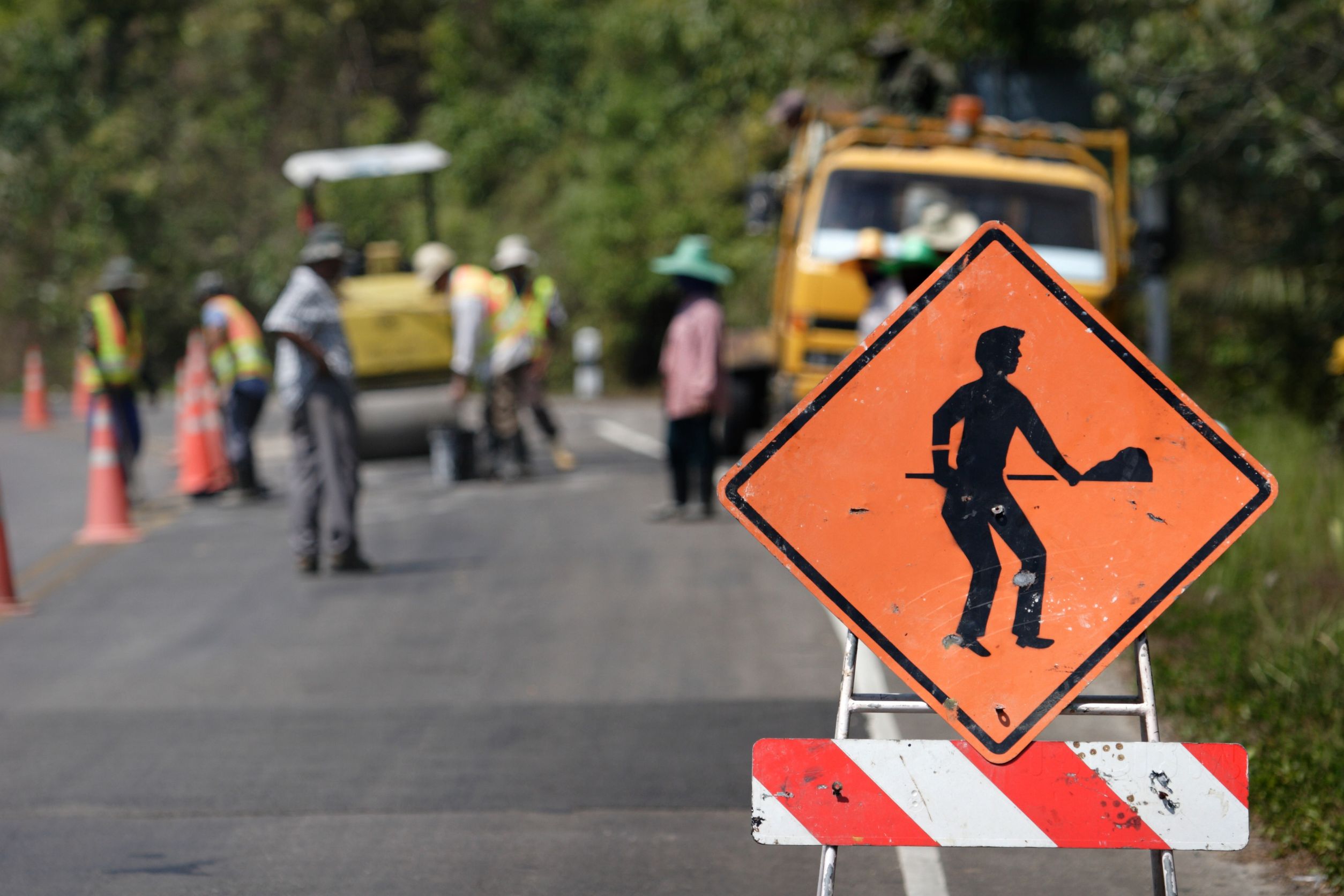
Asphalt paving contractors use milling as a critical first step in commercial asphalt paving to remove damaged surface layers and prepare parking lot paving areas for new material. In Phoenix, Arizona, this process ensures that repaving is built on a stable, properly prepared surface that supports long-term durability.
What Is Asphalt Milling in Commercial Asphalt Paving?
Asphalt milling is the process of removing the top layer of existing pavement using specialized equipment. Instead of tearing out the entire structure, milling targets only the deteriorated surface while preserving the underlying base when it is still stable.
For large-scale parking lot paving projects, milling provides a more efficient alternative to full reconstruction. It allows asphalt paving contractors to correct surface damage, improve drainage, and create a clean foundation for a new asphalt overlay.
In high-traffic commercial environments, this method helps restore functionality without the extended downtime associated with complete removal.
Why Do Commercial Projects Require Milling Before Repaving?
Before new asphalt can be installed, the existing surface must be evaluated. If the top layer shows signs of cracking, rutting, or oxidation, simply paving over it can lead to premature failure.
Milling is necessary when:
Surface damage is widespread but the base remains intact
Previous layers have become uneven or unstable
Drainage issues need correction through grade adjustments
Multiple asphalt layers have built up over time
In Phoenix, Arizona, where heat and UV exposure accelerate pavement wear, milling is often a key step in extending the life of commercial asphalt paving projects.
What Happens During the Asphalt Milling Process?
The milling process involves several coordinated steps to ensure the surface is properly prepared for repaving.
Site Evaluation and Planning
Asphalt paving contractors begin by assessing the condition of the parking lot paving surface. This includes identifying damaged areas, checking for drainage concerns, and determining the appropriate milling depth.
Surface Removal
Milling machines grind and remove the top layer of asphalt to a specified depth. This creates a uniform surface while eliminating cracks, potholes, and surface irregularities.
Material Collection and Recycling
The removed asphalt, often referred to as reclaimed asphalt pavement (RAP), is collected and can be reused in future paving projects. This makes milling a more resource-efficient process.
Surface Preparation
After milling, the surface is cleaned and inspected. Any necessary adjustments to the base or grading are completed before new asphalt is applied.
This process ensures that the new layer bonds properly and performs as expected under commercial traffic conditions.
How Does Milling Improve Parking Lot Paving Performance?
Milling directly impacts the performance and lifespan of new pavement. By removing damaged material and correcting surface issues, it creates a stronger foundation for repaving.
Key benefits include:
Improved bonding between old and new asphalt layers
Better drainage through corrected slopes
Reduced risk of reflective cracking
More consistent surface smoothness
For large commercial properties, these improvements translate into fewer repairs and more predictable maintenance cycles.
When Is Milling Preferred Over Full Reconstruction?
Not every parking lot paving project requires complete removal. Milling is often the preferred option when the structural base is still stable.
Asphalt paving contractors typically recommend milling when:
Damage is limited to the surface layer
The base shows no signs of major failure
The goal is to restore function without full replacement
Project timelines require faster turnaround
In contrast, full reconstruction is necessary when the base has deteriorated or when structural issues extend below the surface.
Understanding this distinction helps property owners make informed decisions about repair strategies and long-term planning.
What Role Does Milling Play in Large Commercial Properties?
For shopping centers, office complexes, industrial facilities, and multi-tenant properties in Phoenix, Arizona, milling is often part of phased paving strategies.
Instead of shutting down an entire property, asphalt paving contractors can mill and repave sections in stages. This minimizes disruption to daily operations while maintaining safe access for tenants and customers.
Additionally, milling allows for:
Adjustments to traffic flow layouts
Updates to striping and parking configurations
Integration with other improvements such as drainage corrections
These factors make milling a practical solution for complex commercial environments.
How Do Asphalt Paving Contractors Plan Milling Depth and Scope?
The depth of milling depends on the condition of the existing pavement and the goals of the project. Shallow milling may be used for surface correction, while deeper milling addresses more extensive wear.
Contractors evaluate:
Thickness of existing asphalt layers
Severity of cracking and surface damage
Traffic load requirements
Drainage performance
By aligning milling depth with project needs, they ensure that the new asphalt layer performs effectively over time.
For those looking to better understand how milling fits into broader commercial paving strategies, working with a professional commercial asphalt contractor in Phoenix, Arizona can provide insight into how these decisions are made in real-world projects.
What Should Property Owners Expect Before Repaving Begins?
Before repaving starts, property owners can expect several preparatory steps following milling:
Surface inspection and approval
Adjustments to drainage or grading if needed
Coordination of project phases to limit disruption
Scheduling based on weather and operational needs
Clear communication and planning are essential, especially for large commercial properties where access and safety must be maintained throughout the project.
Why Proper Preparation Matters in Commercial Asphalt Paving
The success of any parking lot paving project depends on the condition of the surface beneath the new asphalt. Milling ensures that the new layer is not simply covering existing problems but is built on a properly prepared foundation.
In Phoenix, Arizona, where environmental conditions place additional stress on pavement, this step is particularly important. Skipping or underestimating the milling process can lead to early deterioration, increased maintenance needs, and higher long-term costs.
By understanding what happens before repaving begins, property owners can make more informed decisions and better manage their pavement investments.