
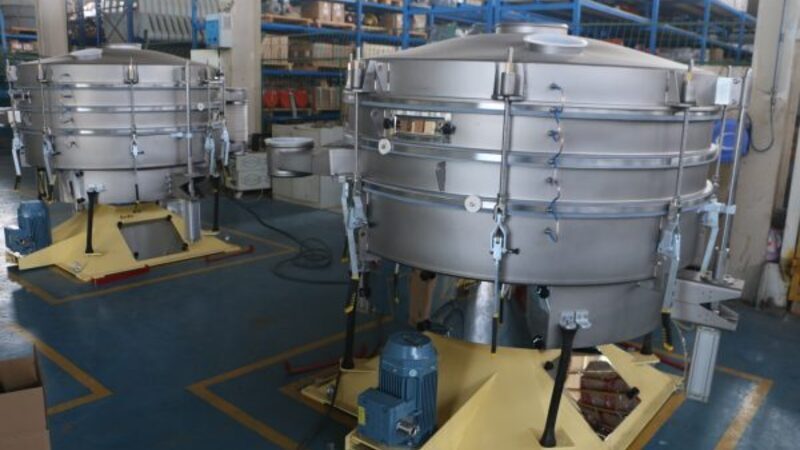
Efficiency is the lifeblood of American manufacturing. As industries face increasing demand for quality and speed, manufacturers are turning to advanced technologies to maintain their competitive edge. One solution gaining significant traction is the use of Industrial Screening Equipments . When searching for ways to optimize production lines and reduce waste, many plant managers and engineers are exploring these systems to streamline their operations and enhance product quality.
The Role of Screening in Modern Manufacturing
Screening equipment is essential for separating materials by size, removing impurities, and ensuring consistency in the final product. In sectors ranging from food processing to pharmaceuticals and metal fabrication, precise material separation can make a substantial difference in overall productivity. By integrating reliable screening solutions, manufacturers can achieve:
• Improved Product Quality: Consistent screening ensures that only materials meeting strict specifications move forward in the production cycle, reducing the risk of defects.
• Reduced Downtime: Efficient separation minimizes blockages and equipment damage, leading to fewer interruptions and maintenance requirements.
• Enhanced Throughput: Automated screening processes can handle larger volumes at faster speeds, allowing plants to meet higher production targets.
Key Benefits of Industrial Screening Equipments
Investing in specialized screening systems offers a range of advantages for American manufacturing plants:
1. Increased Operational Efficiency
Modern screening equipment is designed with automation and adaptability in mind. These machines can quickly adjust to different material types and sizes, reducing the need for manual intervention. This flexibility leads to faster changeovers and less idle time, translating directly into higher productivity.
2. Cost Savings
By ensuring only conforming materials are used in production, screening equipment helps minimize waste. Lower rejection rates mean less raw material is lost, and energy consumption is optimized. Additionally, preventing oversized or undersized particles from entering downstream processes reduces wear and tear on other machinery, extending equipment life and lowering maintenance costs.
3. Improved Workplace Safety
Efficient screening systems help to contain dust, debris, and hazardous particles, creating a safer and cleaner working environment. Automated material handling also reduces the risk of injury associated with manual sorting, making compliance with workplace safety regulations easier to achieve.
4. Scalability and Customization
As American manufacturing plants grow or diversify their product lines, screening equipment can often be tailored or scaled to meet new requirements. Modular designs and advanced control systems allow manufacturers to adapt quickly to market demands without significant downtime or capital expenditure.
Integrating Screening Solutions for Maximum Impact
To fully realize the benefits of screening equipment, manufacturers should consider the following best practices:
• Assess Current Processes: Identify bottlenecks or quality issues that screening could address.
• Select Appropriate Equipment: Choose systems compatible with the materials and throughput requirements of your plant.
• Train Staff: Ensure operators are well-versed in equipment use and maintenance to maximize performance.
• Monitor and Optimize: Continuously track equipment performance and make adjustments as needed to maintain optimal efficiency.
Advancing Manufacturing Performance
Embracing advanced screening technologies provides American manufacturers with a strategic advantage. By enhancing product quality, reducing costs, and improving safety, these systems contribute significantly to operational efficiency. As manufacturing environments continue to evolve, staying ahead with robust screening solutions will be key to maintaining productivity and meeting the demands of a competitive market. Through thoughtful integration and ongoing optimization, industrial screening stands out as a vital tool in driving the future of American manufacturing.