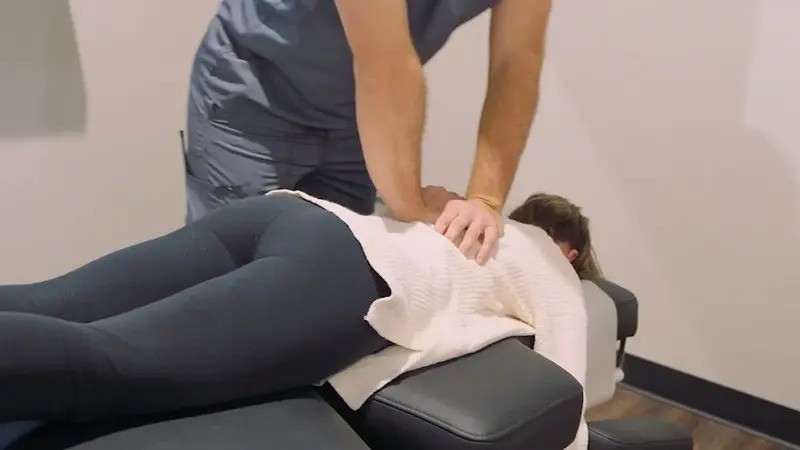
Spinal decompression therapy is a non-invasive approach designed to reduce pressure within the spine and support how nerves function. Creating space between vertebrae, it may help relieve irritation around nerves and improve communication between the brain and body.
Because nerve function plays a critical role in movement, sensation, and coordination, understanding how spinal decompression influences these pathways can help explain its role in pinched nerve treatment.
What Is a Pinched Nerve and How Does It Affect the Body?
A pinched nerve occurs when surrounding structures such as discs, joints, or soft tissues place pressure on a nerve. This pressure can interfere with how signals travel through the nervous system.
When nerve communication is disrupted, a range of symptoms may develop, including:
Tingling or numbness
Weakness in certain areas of the body
Radiating sensations into the arms or legs
Reduced coordination or mobility
These symptoms often depend on where the nerve is affected within the spine. For example, a pinched nerve in the lower back may influence the legs, while one in the neck may affect the shoulders or arms.
How Does Spinal Compression Impact Nerve Function?
The spine is designed to protect the spinal cord and provide space for nerves to exit between vertebrae. When this space becomes limited, it can lead to increased pressure on nerves.
Spinal compression may occur due to:
Disc changes such as bulging or herniation
Joint restrictions that limit movement
Prolonged poor posture
Repetitive stress on the spine
As compression increases, nerves may become irritated or inflamed. This can alter how signals are transmitted, affecting both sensation and movement.
How Does Spinal Decompression Therapy Reduce Pressure on Nerves?
Spinal decompression therapy works by gently creating space within the spine. This process helps reduce pressure on discs and surrounding structures that may be affecting nearby nerves.
When space between vertebrae increases, several changes can occur:
Reduced pressure on compressed nerves
Improved movement within spinal joints
Decreased stress on surrounding tissues
These changes can help restore a more balanced environment within the spine, allowing nerves to function more effectively.
What Happens to Nerves During Decompression?
When pressure on a nerve is reduced, it may begin to function more normally. Nerves rely on consistent communication with the brain to regulate movement, sensation, and coordination.
As decompression reduces interference:
Signal transmission may become more efficient
Sensory changes such as tingling may decrease
Muscle function may improve as communication is restored
While the body responds differently for each individual, reducing pressure on nerves is a key step in supporting recovery.
How Does This Support Pinched Nerve Treatment?
In the context of pinched nerve treatment, spinal decompression therapy focuses on addressing the underlying cause of nerve irritation rather than only managing symptoms.
By reducing pressure within the spine and improving alignment, the therapy supports conditions that allow nerves to function without interference. This can help improve mobility and reduce the impact of nerve-related symptoms over time.
For individuals exploring non-surgical spinal decompression, this approach offers a way to support nerve health without invasive procedures.
Can Spinal Decompression Improve Mobility and Movement?
Yes, improved nerve function often contributes to better movement. When nerves communicate effectively, muscles can respond more accurately, and joints can move more freely.
Reduced pressure on nerves may lead to:
Improved coordination
Increased range of motion
Better control during movement
Reduced stiffness in affected areas
These changes can support daily activities and overall physical function.
Who May Consider Spinal Decompression Therapy?
Spinal decompression therapy may be considered for individuals experiencing symptoms related to nerve compression, such as:
Radiating sensations into the arms or legs
Numbness or tingling
Reduced strength or mobility
Ongoing stiffness linked to spinal pressure
For those searching for spinal decompression therapy in Glendale, AZ, understanding how it supports nerve function can help guide informed decisions.
Additional resources, such as this voted best chiropractor in Glendale, AZ, provide further insight into how this approach is used in clinical settings.
How Long Does It Take to Notice Changes in Nerve Function?
The timeline for improvement can vary depending on the level of compression and how the body responds. Because nerve function is closely tied to spinal structure and movement, changes may occur gradually over time.
Consistency with care and attention to daily habits can support these improvements. Factors such as posture, activity level, and overall spinal health all play a role in how the body responds.
Why Supporting Nerve Function Is Important for Long-Term Health
Nerve function influences nearly every aspect of how the body operates, from movement to sensation to coordination. When nerves are able to communicate effectively, the body can function more efficiently.
Spinal decompression therapy provides an approach that focuses on reducing interference within the spine, allowing the nervous system to operate with fewer disruptions.
For individuals in Glendale, AZ, understanding how spinal health affects nerve function can be an important step toward improving mobility, reducing limitations, and supporting long-term well-being.