
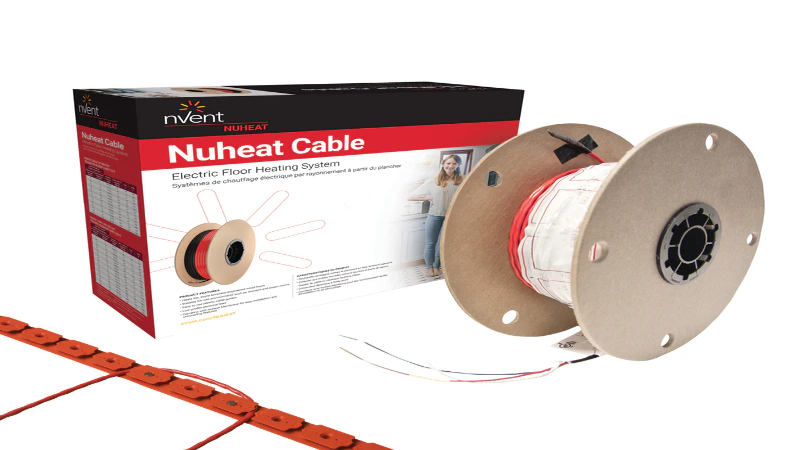
As winter temperatures plummet across the United States, homeowners face the persistent threat of frozen pipes. Each year, countless households experience burst pipes due to freezing, leading to costly repairs, water damage, and inconvenience. To safeguard your plumbing and ensure peace of mind during the coldest months, many are turning to Heat Cables as a reliable solution. This innovative technology offers an effective way to protect pipes from freezing, making it a popular search for those seeking practical winterization methods.
Understanding How Heat Cables Work
Heat cables are specially designed electrical wires that generate gentle warmth when plugged in or hardwired, effectively preventing water pipes from reaching freezing temperatures. Wrapped around or laid alongside pipes, these cables maintain a consistent temperature, ensuring that water continues to flow even in subzero conditions. Unlike insulation alone, heat cables actively counteract the effects of extreme cold, making them especially valuable in regions with harsh winter climates.
Why Frozen Pipes Are a Serious Concern
Frozen pipes are more than just an inconvenience—they can cause significant property damage and disrupt daily life. When water freezes inside a pipe, it expands, creating pressure that can lead to cracks or burst pipes. The aftermath often involves extensive repairs, water damage to walls and flooring, and even mold growth. Preventing pipes from freezing is not just about comfort but also about protecting your home’s structural integrity and avoiding unexpected expenses.
Key Benefits of Using Heat Cables
Homeowners across the United States are increasingly choosing heat cables for several compelling reasons:
• Proactive Protection: Heat cables provide continuous protection throughout the winter, reducing the risk of pipe bursts.
• Energy Efficiency: Many modern heat cables are designed to activate only when temperatures drop to a certain level, conserving energy while offering maximum protection.
• Versatility: They can be installed on various types of pipes, including metal and plastic, and are suitable for both indoor and outdoor plumbing.
• Easy Installation: With user-friendly designs, many heat cables can be installed by homeowners or professionals, making it accessible for a range of applications.
Best Practices for Installing Heat Cables
To maximize the effectiveness of heat cables, consider the following tips:
1. Identify Vulnerable Pipes: Focus on pipes located in unheated areas such as basements, attics, garages, and exterior walls.
2. Follow Manufacturer’s Guidelines: Proper installation is crucial. Always refer to the product instructions to ensure safety and performance.
3. Use with Insulation: While heat cables provide active protection, pairing them with pipe insulation offers an extra layer of defense against extreme cold.
4. Regular Maintenance: Inspect cables before each winter season for signs of wear or damage, and test functionality to ensure they are working as intended.
Protecting Your Home for Safer Winters
Taking preventive measures against frozen pipes is an investment in your home’s safety and comfort. By utilizing heat cables, you gain a reliable and efficient way to safeguard your plumbing system, even during the harshest winter weather. This simple upgrade can save you from costly repairs and the stress of winter emergencies, allowing you to enjoy the season with confidence.
Homeowners throughout the United States are discovering the peace of mind that comes with effective pipe protection. With the right combination of heat cables, insulation, and regular maintenance, you can ensure your home remains safe, dry, and comfortable all winter long.