
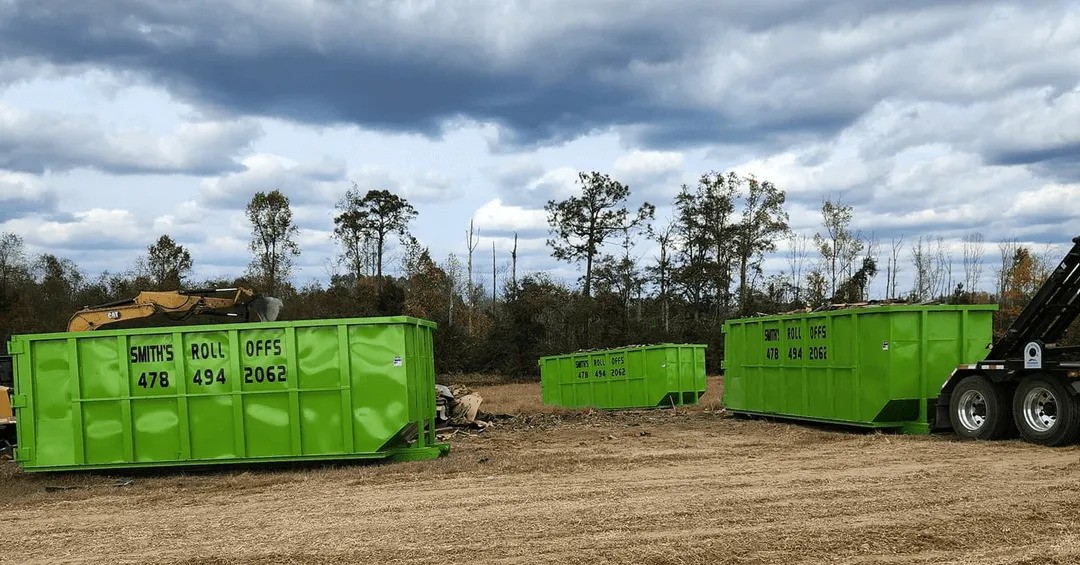
When planning a dumpster rental for a construction or renovation project, most people focus on size and timing. Weight is often overlooked, until it becomes a problem. Exceeding weight limits can increase disposal costs and complicate pickup, especially on job sites where debris adds up quickly. For contractors and homeowners in Buckeye, AZ, understanding which materials increase weight the fastest is essential for planning an affordable dumpster rental that stays on track.
Why Weight Matters More Than Volume
Dumpster sizes are measured in cubic yards, which describe volume—not weight. Two dumpsters filled to the same level can weigh very different amounts depending on what’s inside. Weight limits exist because trucks, roads, and disposal facilities have safety and regulatory thresholds.
Exceeding weight limits can lead to:
- Additional disposal charges
- Delayed or rescheduled pickups
- Safety concerns during transport
For construction projects, weight is often the limiting factor, not space.
Concrete, Brick, and Masonry Materials
Concrete is one of the heaviest materials commonly placed in dumpsters. Even small amounts can add significant weight quickly.
Examples include:
- Broken concrete slabs
- Cinder blocks
- Bricks and pavers
- Mortar and grout
A short driveway replacement or patio removal can fill only part of a dumpster while pushing it close to its maximum weight. For these projects, contractors often plan partial loads or use dedicated dumpsters specifically for masonry debris.
Dirt, Sand, and Gravel
Soil-based materials are deceptively heavy. Damp dirt, in particular, can weigh far more than expected. Landscaping and grading projects in Buckeye often involve:
- Excavated soil
- Sand and base material
- Gravel and decomposed granite
Because these materials compact tightly, they reach weight limits very quickly. Mixing dirt with lighter debris in the same dumpster can also cause uneven loading, which affects safe transport.
Roofing Materials and Shingles
Roofing debris is another major contributor to weight in a construction dumpster rental. Shingles are dense, layered, and often water-absorbent—especially when removed after rain.
Common roofing waste includes:
- Asphalt shingles
- Underlayment and felt
- Nails and flashing
- Broken tiles (for tile roofs)
Even a small residential roof can generate a heavy load. Many contractors plan roofing dumpsters based on square footage rather than visual volume alone.
Tile, Stone, and Flooring Debris
Flooring upgrades may not look heavy at first, but materials like tile and stone add weight fast.
Watch for:
- Ceramic and porcelain tile
- Natural stone flooring
- Thick mortar beds
- Old countertops made from stone or concrete
Because these materials break into dense fragments, they settle tightly and leave little air space in the dumpster.
Drywall, Plaster, and Stucco
Drywall is lighter than concrete or dirt, but it still adds weight quickly—especially in bulk. Plaster and stucco are heavier and often mixed with lath or mesh.
Projects that generate heavy drywall waste include:
- Interior remodels
- Room additions
- Commercial buildouts
If drywall is wet or mixed with plaster, weight increases even faster.
Wood: Heavy vs. Light Loads
Wood can vary widely in weight depending on type and condition.
Heavier wood debris:
- Pressure-treated lumber
- Old, waterlogged wood
- Large beams or posts
Lighter wood debris:
- Framing scraps
- Trim and molding
- Dry plywood
While wood is generally manageable, large volumes, especially when mixed with other dense materials—can still contribute significantly to total weight.
Why Mixing Materials Can Be Risky
Combining heavy and light materials in one dumpster often seems efficient, but it can cause issues:
- Heavy materials settle to the bottom and concentrate weight
- Light debris fills space but doesn’t reduce load weight
- Uneven distribution can affect safe hauling
For projects with multiple debris types, separating heavy materials into their own dumpster can help maintain balance and control costs.
Planning a Dumpster Rental Around Heavy Debris
To keep a dumpster rental manageable and predictable, planning is key. Before delivery, list the materials your project will generate and identify which ones are weight-heavy.
Smart planning steps include:
- Estimating debris type before choosing dumpster size
- Asking about weight limits for construction dumpsters
- Scheduling multiple hauls for dense materials if needed
- Avoiding overfilling beyond the container’s edge
- Loading evenly from front to back
These steps help keep disposal smooth and reduce the risk of delays.
Short-Term Projects That Often Involve Heavy Debris
In Buckeye, AZ, the following projects commonly generate dense waste:
- Concrete and driveway removal
- Roofing repairs and replacements
- Landscaping and grading work
- Bathroom and kitchen tile demolition
- Block wall or hardscape removal
For these jobs, weight considerations should be part of the initial planning, not an afterthought.
Understanding Heavy Debris Disposal Options in Buckeye, AZ
Different materials may require different handling or disposal processes. When planning construction cleanup, it helps to review local options for heavy debris disposal to understand how dense materials are managed and what limits may apply.
This knowledge allows contractors and homeowners to choose the right dumpster setup and avoid surprises during pickup.