
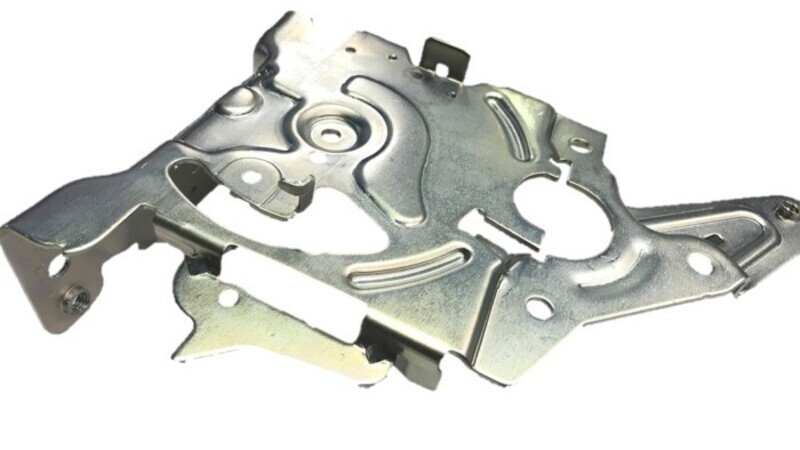
In today’s manufacturing landscape, corrosion resistance and durability are paramount, especially for components exposed to harsh environments. As companies seek reliable ways to protect metal parts, many decision-makers search for detailed guidance using the phrase Zinc Nickel Plating Specification . Understanding the standards behind this advanced electroplating process is essential for ensuring both regulatory compliance and optimal product performance.
The Importance of Zinc Nickel Plating in Manufacturing
Zinc nickel plating is a high-performance coating process widely used in industries like automotive, aerospace, and electronics. This method offers superior corrosion resistance compared to traditional zinc plating, thanks to the addition of nickel, which enhances the protective properties of the coating. For American manufacturers, adopting zinc nickel plating not only extends the lifespan of metal components but also helps meet stringent industry and governmental requirements.
Key Standards Governing Zinc Nickel Plating
Several standards govern the application and quality of zinc nickel plating in the United States. These standards ensure consistency, safety, and reliability, which are critical for manufacturers aiming to produce high-quality goods. The most recognized specifications include:
• ASTM B841: This standard outlines requirements for electrodeposited zinc-nickel coatings on iron and steel, including minimum nickel content, thickness, and corrosion resistance.
• SAE AMS 2417: Used primarily in aerospace, this specification details performance criteria, testing methods, and inspection processes for zinc-nickel coatings.
• ISO 19598: While an international standard, it’s often referenced by U.S. companies exporting products or working with global suppliers.
Manufacturers should consult these specifications to ensure their plating processes align with customer expectations and regulatory demands.
Critical Elements of Zinc Nickel Plating Specifications
To comply with zinc nickel plating standards, manufacturers must pay close attention to several key parameters:
1. Nickel Content: Most specifications require a nickel content between 12% and 16% in the alloy, as this range provides optimal corrosion resistance.
2. Coating Thickness: The required thickness typically ranges from 5 to 20 microns, depending on the application and expected service environment.
3. Adhesion and Appearance: Coatings must adhere uniformly to the substrate and exhibit a consistent, defect-free finish.
4. Corrosion Resistance: Parts are tested through methods like salt spray testing to verify the coating’s ability to protect against rust and degradation.
5. Hydrogen Embrittlement Relief: Especially for high-strength steel, post-plating baking is often mandated to prevent embrittlement.
Compliance and Best Practices
Ensuring compliance with zinc nickel plating standards is not just about meeting technical benchmarks—it’s also about documentation and traceability. Manufacturers should:
• Maintain detailed process records and test certificates.
• Work closely with plating service providers to verify adherence to required standards.
• Regularly audit suppliers and internal processes for quality assurance.
By adopting these best practices, manufacturers can avoid costly rework, product recalls, or regulatory penalties.
Staying Ahead in a Competitive Market
Understanding and implementing the correct zinc nickel plating specification is a strategic advantage for USA manufacturers. It guarantees product reliability, supports customer satisfaction, and positions businesses to compete in both domestic and global markets. By staying informed about evolving standards and maintaining rigorous quality control, manufacturers can ensure their products meet the highest expectations for performance and compliance.