
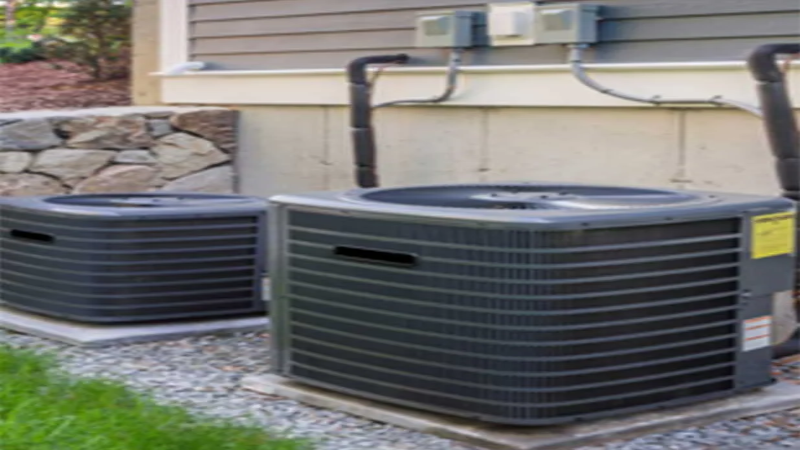
As temperatures soar in Glendale, AZ, having a reliable air conditioning system is essential for maintaining comfort in your home. But with so many options available, choosing the right system can be overwhelming. Whether you’re installing a new system or replacing an old one, it’s important to make an informed decision to ensure optimal performance and efficiency. We will guide you through the key factors to consider when choosing the right AC installation residential system for your home.
Consider Your Home’s Size and Layout
The first step in choosing the right AC system is understanding the size and layout of your home. Different homes require different types of air conditioning systems, depending on factors like square footage, the number of rooms, ceiling height, and insulation. An air conditioning repair near me technician or residential HVAC contractor will often perform a load calculation to determine the best system for your needs.
If your home is small or has a compact layout, a smaller air conditioning unit may suffice. However, larger homes or homes with multiple levels may require a more powerful system or a multi-zone cooling system. It’s essential to work with a professional to avoid over- or under-sizing your AC unit. An oversized system will cycle on and off frequently, which can lead to inefficiency, while an undersized system may struggle to keep your home cool during the hottest months.
Types of Air Conditioning Systems
There are several types of air conditioning systems available for residential properties, and choosing the right one depends on your home’s specific needs. Here are some of the most common types of AC systems:
1. Central Air Conditioning
Central air conditioning is one of the most popular options for cooling homes. It uses a system of ducts to distribute cool air throughout the house. This type of system is ideal for larger homes or homes with multiple rooms. Central air conditioning offers consistent cooling and can be paired with a furnace for year-round comfort.
2. Ductless Mini-Split Systems
Ductless mini-split systems are a great option for homes without existing ductwork or for those looking to add cooling to specific rooms. These systems consist of an outdoor unit and one or more indoor units that are mounted on the wall. Each unit can be controlled independently, making it a perfect solution for homes with varying cooling needs. Ductless systems are energy-efficient and easy to install, making them a great choice for smaller homes or rooms that need extra cooling.
3. Window Units
Window air conditioners are a cost-effective solution for cooling individual rooms. They are easy to install and can be removed when not needed. While they are suitable for smaller spaces, they are not as energy-efficient as other types of systems and may not provide consistent cooling across the entire home. If you only need to cool one room, a window unit can be a convenient and affordable option.
4. Portable AC Units
Portable air conditioning units are similar to window units but are designed to be moved from room to room. They don’t require permanent installation, making them ideal for renters or those who want flexibility in cooling specific areas. While portable units are convenient, they may not be as powerful or energy-efficient as other systems.
Energy Efficiency and SEER Ratings
Energy efficiency is a crucial factor to consider when choosing an air conditioning system. An efficient system will not only save you money on energy bills but also help reduce your carbon footprint. One way to determine an AC unit’s efficiency is by looking at its SEER (Seasonal Energy Efficiency Ratio) rating. The higher the SEER rating, the more energy-efficient the unit is.
In Glendale, where temperatures can climb above 100°F during summer, it’s important to select an AC system with a high SEER rating to keep cooling costs manageable. A higher SEER rating means the system will use less energy to cool your home, which translates to lower utility bills.
Energy-Efficient Features
When choosing the right AC system, consider looking for energy-efficient features like:
Variable-speed compressors that adjust the cooling output based on demand, reducing energy waste.
Smart thermostats that allow you to control the temperature remotely and optimize cooling patterns.
Inverter technology that ensures the compressor runs continuously at varying speeds, leading to more consistent cooling and better efficiency.
Budget Considerations
While it’s tempting to choose the cheapest air conditioning option, it’s essential to balance initial cost with long-term savings. Installing a high-quality, energy-efficient system may have a higher upfront cost but will save you money on energy bills over time. On the other hand, opting for a cheaper, less efficient unit may result in higher operational costs and more frequent air conditioning repair near me needs.
Additionally, consider the installation and maintenance costs of the system. Some systems, like ductless mini-splits, may have higher installation costs due to the need for additional components, but they can offer long-term savings in energy consumption.
Installation and Maintenance Costs
Working with a professional residential HVAC contractor is crucial to ensure proper installation and avoid costly mistakes. Proper installation ensures that the system runs efficiently from the start and avoids unnecessary repairs in the future. Be sure to inquire about maintenance services as well, as regular maintenance is essential to keeping your AC unit running smoothly.
Long-Term Reliability and Warranties
Another important consideration when choosing an AC system is the reliability of the brand and the warranty it offers. Reliable brands often come with long warranties that cover parts and labor, giving you peace of mind in case of a malfunction. When working with a trusted residential HVAC contractor, they can guide you toward high-quality brands known for their longevity and low maintenance needs.
Conclusion: Choosing the Right AC System for Your Home
Selecting the right air conditioning system for your home in Glendale, AZ, is essential for ensuring comfort, efficiency, and long-term savings. Consider factors such as your home’s size, cooling needs, energy efficiency, and budget when making your decision. Whether you opt for central air conditioning, a ductless mini-split system, or another option, working with an experienced residential HVAC contractor ensures that your system is properly installed and maintained.
For more information on choosing the right AC system, contact Gotham Air, where expert technicians can guide you in making the best choice for your home’s cooling needs.