
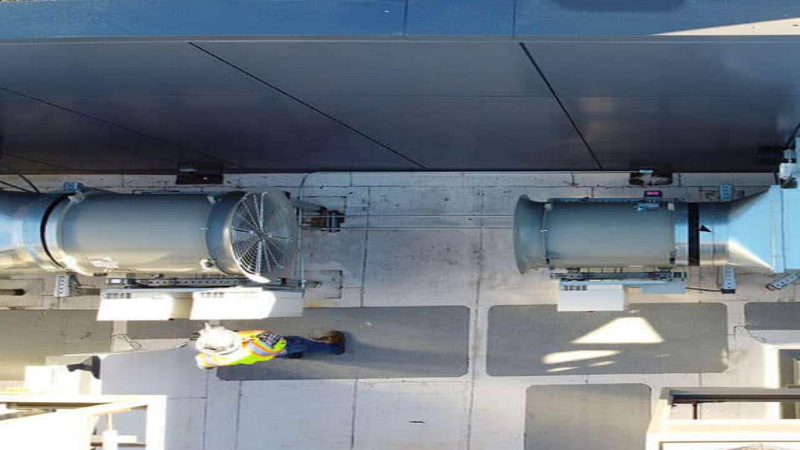
Modern buildings are evolving rapidly to meet the challenges of energy efficiency, occupant comfort, and environmental responsibility. As sustainability becomes a top priority for property owners and facility managers, advanced technology is transforming how buildings operate and how resources are managed. For individuals searching for Building Automation Systems Seattle, WA, understanding the role of these systems in promoting sustainability is essential.
What Are Modern Building Automation Systems?
Building automation systems (BAS) are centralized networks that monitor and control a facility’s mechanical, electrical, and electromechanical services. These include heating, ventilation, air conditioning (HVAC), lighting, security, and fire safety systems. In Seattle, WA, where energy costs and climate considerations play a significant role in building management, BAS solutions are engineered to optimize efficiency and minimize waste.
A modern BAS integrates a variety of sensors, controllers, and software platforms to automate building operations. This real-time data collection enables facility managers to make informed decisions, identify inefficiencies, and adjust settings for maximum performance. The result is a smarter, more responsive environment that supports both sustainability and cost savings.
Key Benefits of Building Automation for Sustainability
Implementing an advanced building automation system in Seattle, WA, offers several sustainability advantages:
- Energy Efficiency: Automated temperature and lighting controls help reduce energy consumption by adjusting based on occupancy, daylight, and weather conditions.
- Reduced Carbon Footprint: By optimizing energy use, BAS directly contributes to lowering greenhouse gas emissions, an important consideration in Seattle’s environmentally conscious market.
- Improved Indoor Air Quality: Enhanced ventilation control ensures a healthier indoor environment, supporting occupant well-being and productivity.
- Resource Conservation: Automated water management and leak detection help conserve water, an increasingly valuable resource.
- Operational Cost Savings: Lower utility bills and reduced maintenance needs translate into long-term cost benefits for property owners.
Features of Modern BAS in Seattle, WA
The unique climate and regulatory landscape in Seattle demand tailored solutions. Modern building automation systems typically include:
- Smart HVAC Controls: Adaptive scheduling and zoning that respond to outside temperatures and occupancy patterns.
- Lighting Automation: Daylight harvesting and occupancy sensors to reduce unnecessary lighting.
- Demand Response Integration: Participation in utility demand response programs, allowing buildings to reduce load during peak times.
- Remote Monitoring: Mobile and cloud-based platforms enable real-time oversight and swift response to system alerts.
- Data Analytics: Detailed reporting and predictive analytics to identify trends, forecast needs, and plan preventive maintenance.
Moving Toward a Sustainable Future
Seattle’s commitment to green building practices is reflected in city codes and voluntary programs that encourage high-performance, sustainable buildings. Implementing a robust BAS is one of the most effective ways to meet these standards and demonstrate environmental leadership. Whether for new construction or retrofitting older buildings, a modern automation system can help achieve certifications such as LEED, WELL, or Energy Star.
In summary, building automation systems in Seattle, WA, play a pivotal role in creating sustainable, efficient, and comfortable environments. By integrating advanced controls, data analytics, and automation, property managers can significantly reduce energy usage and environmental impact while enhancing occupant satisfaction. For anyone interested in making their facility more sustainable and future-ready, investing in a modern BAS is a practical and forward-thinking choice.
Ready to improve your building’s sustainability? Explore the potential of building automation systems in Seattle, WA, and take the first step toward a smarter, greener future.